

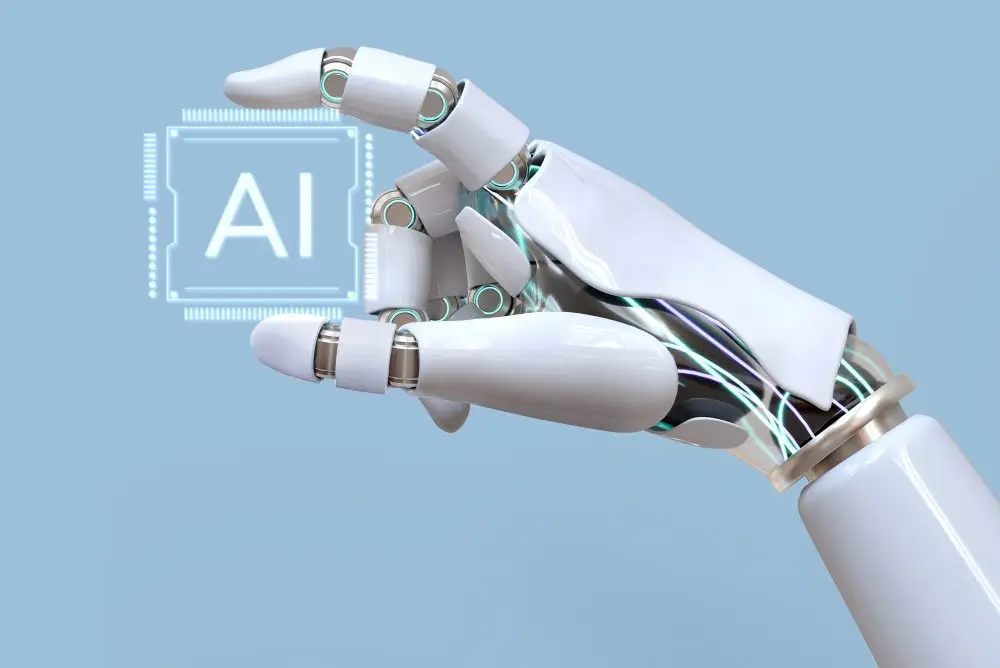
Artificial intelligence (AI) is revolutionizing product design and manufacturing, introducing efficiencies and innovations that were once unimaginable. This article explores the evolution of AI, its applications in design, prototyping, and production, and its profound influence on industries. From predictive analytics to generative design and automation, AI is shaping the future of manufacturing. Keywords include AI in manufacturing, generative design, smart factories, AI applications, product innovation, and Industry 4.0.
The development of artificial intelligence (AI) has redefined countless industries, with product design and manufacturing among the most profoundly affected. From conceptualizing ideas to automating production lines, AI has paved the way for innovation, efficiency, and sustainability in the industrial world.
The Evolution of Artificial Intelligence
AI has come a long way since its inception in the mid-20th century. Initially limited to basic problem-solving and symbolic reasoning, AI now encompasses advanced techniques such as machine learning (ML), natural language processing (NLP), and computer vision. These advancements have enabled AI systems to analyze massive datasets, recognize patterns, and make decisions in real time.
Over the years, AI’s capabilities have expanded through neural networks, deep learning, and the development of generative AI models. In manufacturing and product design, these technologies have allowed companies to integrate AI into every stage of the lifecycle, from ideation to production and beyond.
AI in Product Design
1. Generative Design
Generative design is one of the most transformative applications of AI in product development. Designers input parameters such as materials, size, weight, and functional goals, and AI algorithms generate multiple design iterations, optimizing for performance, cost, or sustainability. This approach accelerates the design process and introduces innovative solutions that may not occur to human designers.
For example, leading automotive and aerospace companies have used generative design to create lighter, stronger components, reducing fuel consumption and environmental impact.
2. Predictive Analytics in Prototyping
Prototyping traditionally requires multiple physical iterations, consuming time and resources. AI streamlines this by predicting product performance through virtual simulations. Tools like digital twins allow engineers to test and refine designs in a virtual environment, identifying potential issues before creating physical models.
3. Personalized Products
AI-driven personalization enables businesses to create custom products tailored to individual preferences. By analyzing consumer data, AI systems recommend designs or variations that meet specific needs, enhancing customer satisfaction while maintaining efficiency.
AI in Manufacturing Processes
1. Smart Factories and Automation
AI has fueled the rise of smart factories, a cornerstone of Industry 4.0. In these facilities, interconnected systems powered by AI analyze data from sensors, robotics, and machinery to optimize production lines. AI-driven automation ensures consistent quality, reduces waste, and minimizes downtime by predicting equipment maintenance needs. For instance, predictive maintenance uses AI to monitor equipment conditions and forecast failures, allowing timely interventions and avoiding costly shutdowns.
2. Enhanced Quality Control
AI-powered vision systems have revolutionized quality control. These systems detect defects in real-time with precision that surpasses human inspectors. By analyzing images or sensor data, AI can identify issues in assembly lines, ensuring consistent product standards.
3. Supply Chain Optimization
In manufacturing, supply chain efficiency is critical. AI enhances logistics by predicting demand, managing inventory, and identifying the most efficient shipping routes. Machine learning models analyze market trends and adjust procurement strategies, reducing delays and costs.
The Broader Impacts of AI in Design and Manufacturing
1. Sustainability
AI supports sustainability by optimizing material usage, energy consumption, and waste reduction. Generative design, for instance, creates structures that use fewer resources without compromising strength. In production, AI-driven systems monitor energy usage, helping factories reduce their carbon footprint.
2. Workforce Transformation
The integration of AI has redefined roles in manufacturing. While automation has replaced some manual tasks, it has also created demand for new skills, such as data analysis, AI system management, and programming. Companies are investing in upskilling their workforce to adapt to this shift.
3. Accelerated Innovation
AI shortens the product development cycle, enabling faster time-to-market for innovations. This agility allows companies to stay competitive and respond quickly to changing market demands.
Challenges and Considerations
Despite its advantages, the adoption of AI in design and manufacturing presents challenges. High initial costs, data security concerns, and the need for skilled talent can hinder implementation. Additionally, ethical considerations, such as AI bias in decision-making and its impact on employment, must be addressed.
Governments, industry leaders, and educational institutions play a vital role in navigating these challenges. By fostering collaboration and investing in research and training, they can ensure AI’s benefits are distributed equitably.
The Future of AI in Manufacturing and Design
As AI continues to evolve, its influence on product design and manufacturing will only deepen. Emerging technologies such as quantum computing and advanced robotics promise to further enhance AI capabilities. Meanwhile, the integration of AI with other technologies, such as 3D printing and IoT, will drive unprecedented innovation.
In this rapidly changing landscape, companies that embrace AI stand to gain a competitive edge, achieving greater efficiency, creativity, and sustainability. For designers and manufacturers, the future is bright—and powered by AI.